
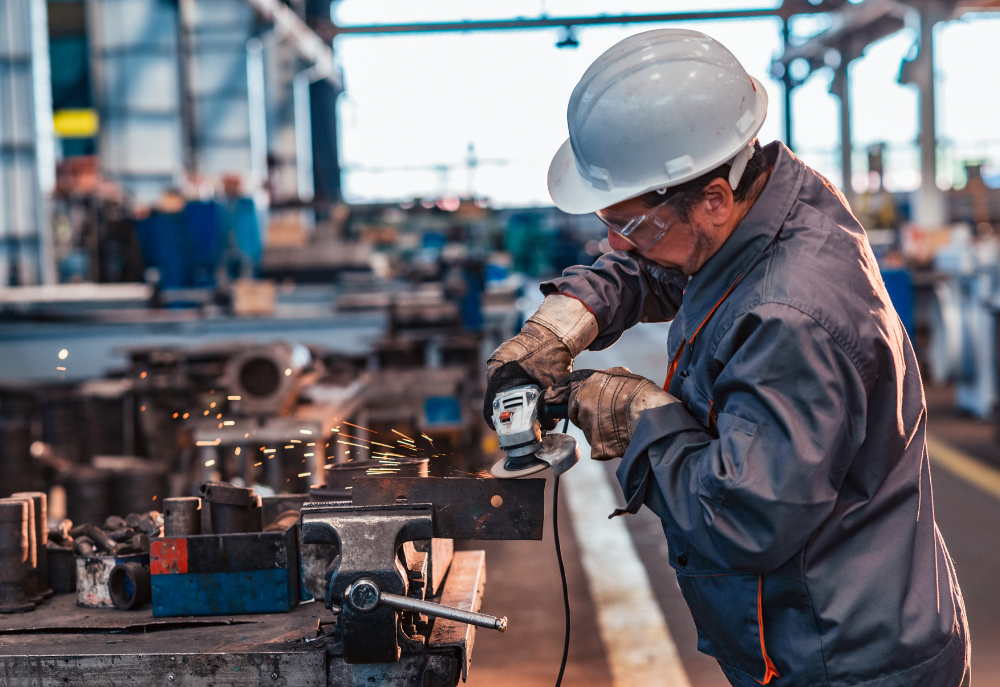
The image of the skilled trades has long been rooted in tradition: hands-on work, tools in hand, learning through apprenticeship, and mastering a craft over years of on-the-job experience. But in today’s built environment—spanning construction, HVAC, building automation, and manufacturing—this narrative is rapidly shifting. Skilled trades are no longer just about physical labor; they’re becoming increasingly tech-centric professions, and the evolution is only accelerating.
Technology Is Now Part of the Toolbox
From HVAC systems embedded with smart sensors to construction equipment integrated with GPS and telematics, the tools used in skilled trades today are more sophisticated than ever. Digital blueprints, 3D scanning, drones, robotics, and building information modeling (BIM) are changing the way professionals work across job sites and factories.
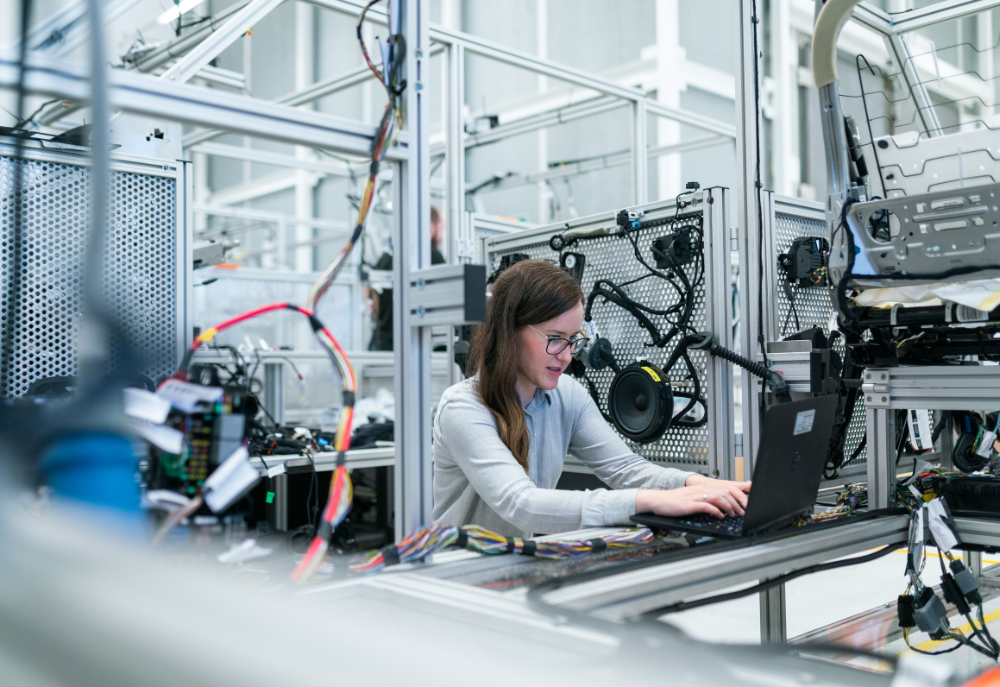
In many roles, technological fluency is now just as important as mechanical know-how. For example, a technician servicing a modern HVAC system must understand IoT-connected controls and energy management software. A construction superintendent may need to monitor productivity in real time through cloud-based project management tools.
What’s Driving the Shift?
Several factors are accelerating the shift toward tech-driven trades:
-
Demand for smarter infrastructure: Clients and developers expect buildings and systems to be energy-efficient, automated, and sustainable. This drives the need for workers who understand how to install, maintain, and troubleshoot high-tech solutions.
-
Labor shortages: With fewer young workers entering the trades and more baby boomers retiring, companies are turning to automation and digital solutions to fill the gap. Skilled workers who can operate and maintain these systems are highly sought-after.
-
Industry 4.0: In manufacturing, the rise of smart factories and industrial automation has introduced robotics, machine learning, and real-time analytics into traditionally manual roles. Maintenance technicians now work alongside AI-powered systems that predict equipment failure before it happens.
The New Skill Set
What does this mean for hiring in the skilled trades? Employers need to look beyond traditional qualifications. Today’s ideal candidate is:
-
Technically skilled, with a strong foundation in their trade
-
Comfortable using mobile apps, digital diagnostics, and automated tools
-
Adaptable and eager to learn new technologies
-
Collaborative and communicative—able to work across departments and with tech vendors
At the same time, companies must invest in training and upskilling programs to keep their workforce up to speed. Whether through formal apprenticeships, on-the-job training, or partnerships with tech-focused trade schools, the ability to grow talent internally is crucial.
Looking Ahead
Skilled trades aren’t going away—they’re becoming more important than ever. But the jobs themselves are changing. The professionals who succeed in this new environment will be those who embrace the evolution: combining the time-honored expertise of the trades with the curiosity and agility to learn what’s next.
At Raymond Search Group, we’re committed to helping companies in construction, manufacturing, HVAC, and building systems identify and attract the next generation of trade professionals—those who are ready to lead in a world where technology and skilled labor go hand in hand.










Leave A Comment